Solitary Portraits
Selected portraiture works, 2024 and ongoing.
The way I work begins long before the shutter clicks. By the time I press the button, I have already spent hours, sometimes days, inside the image. The click itself is little more than punctuation: the period at the end of a long paragraph. Everything that matters has already been written. The concept, the light, the person, the silence in the room, all of it converges in that final fraction of a second, which is at once the least significant and the most final moment of the entire process.
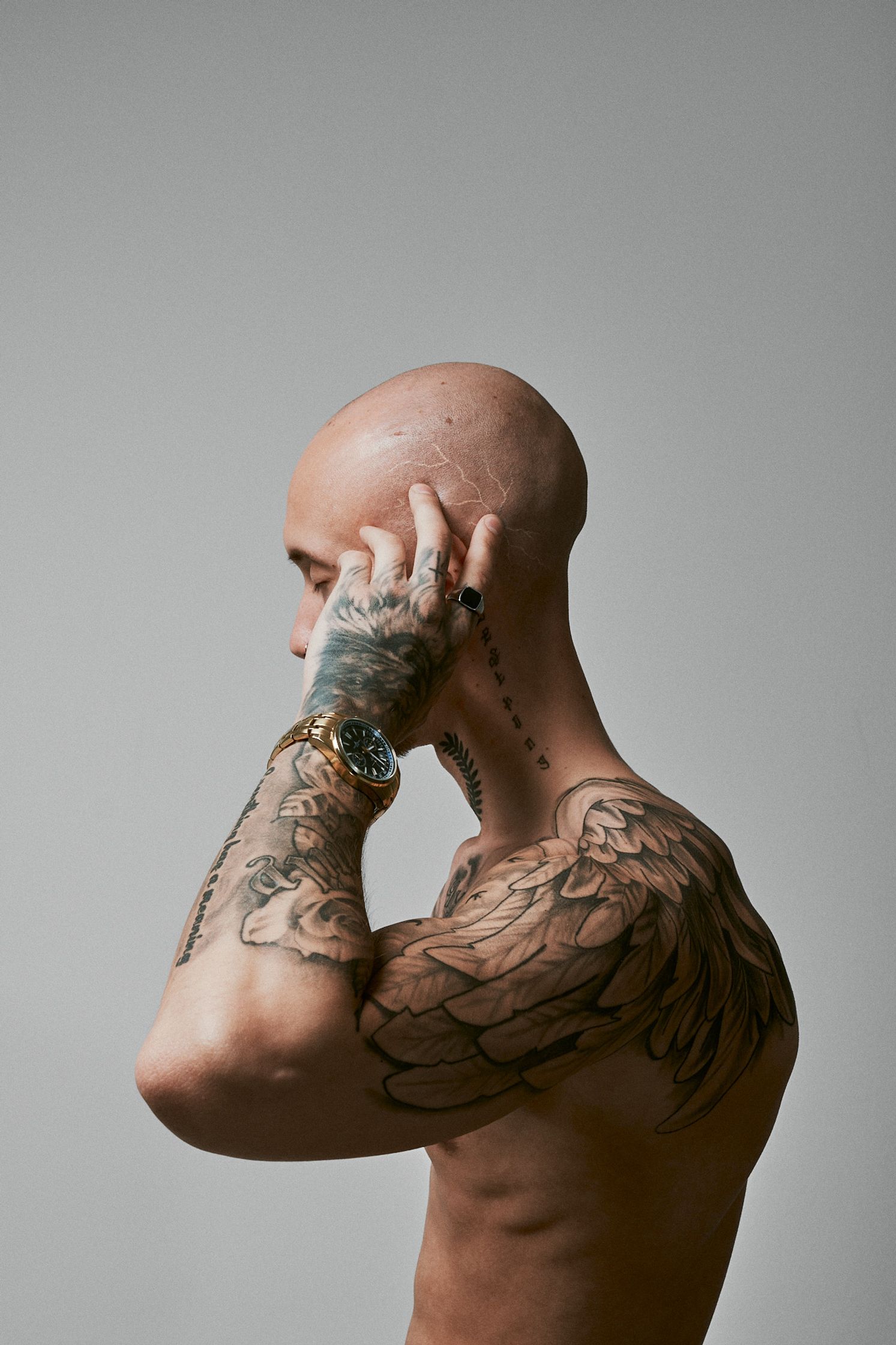
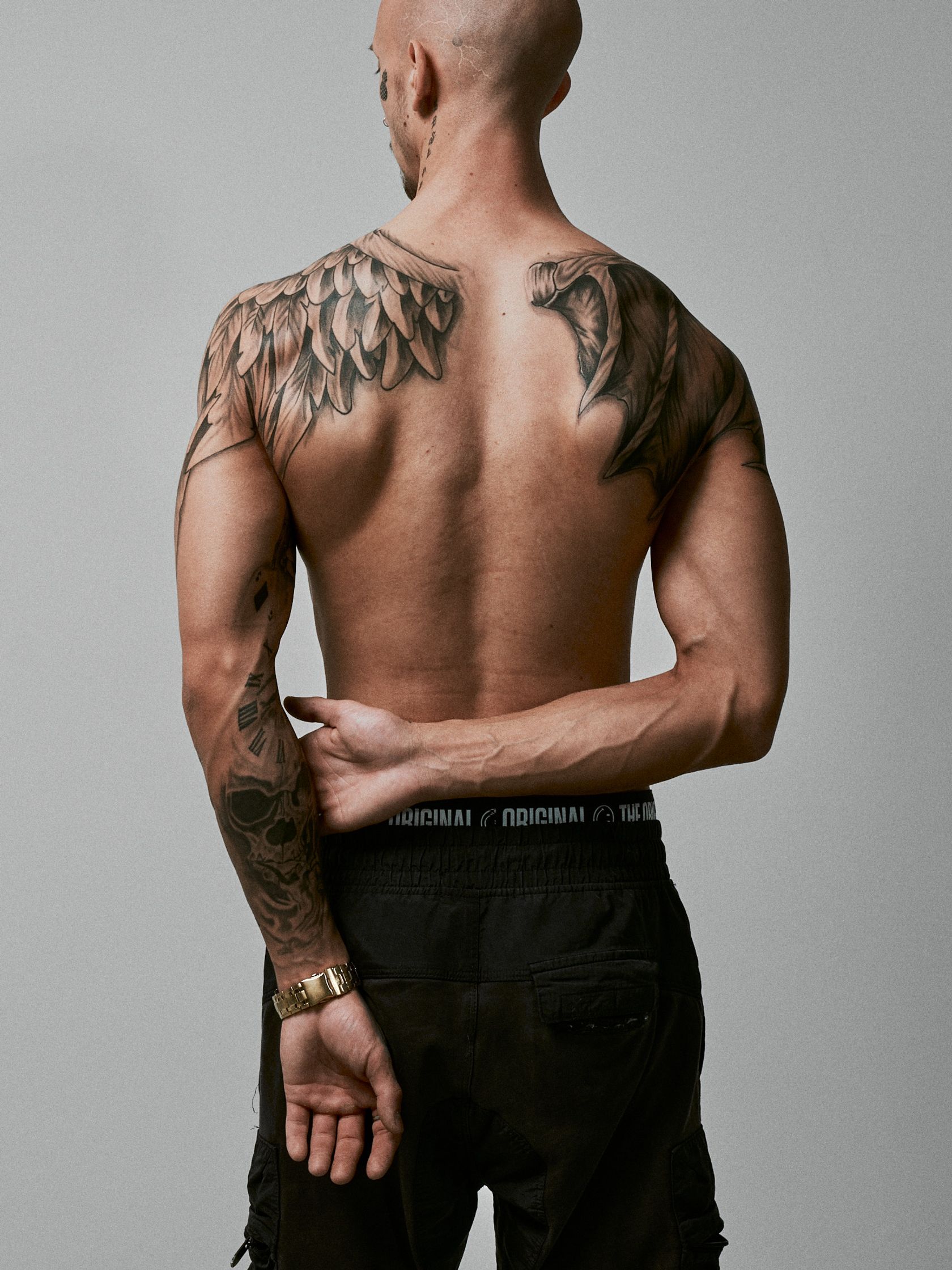
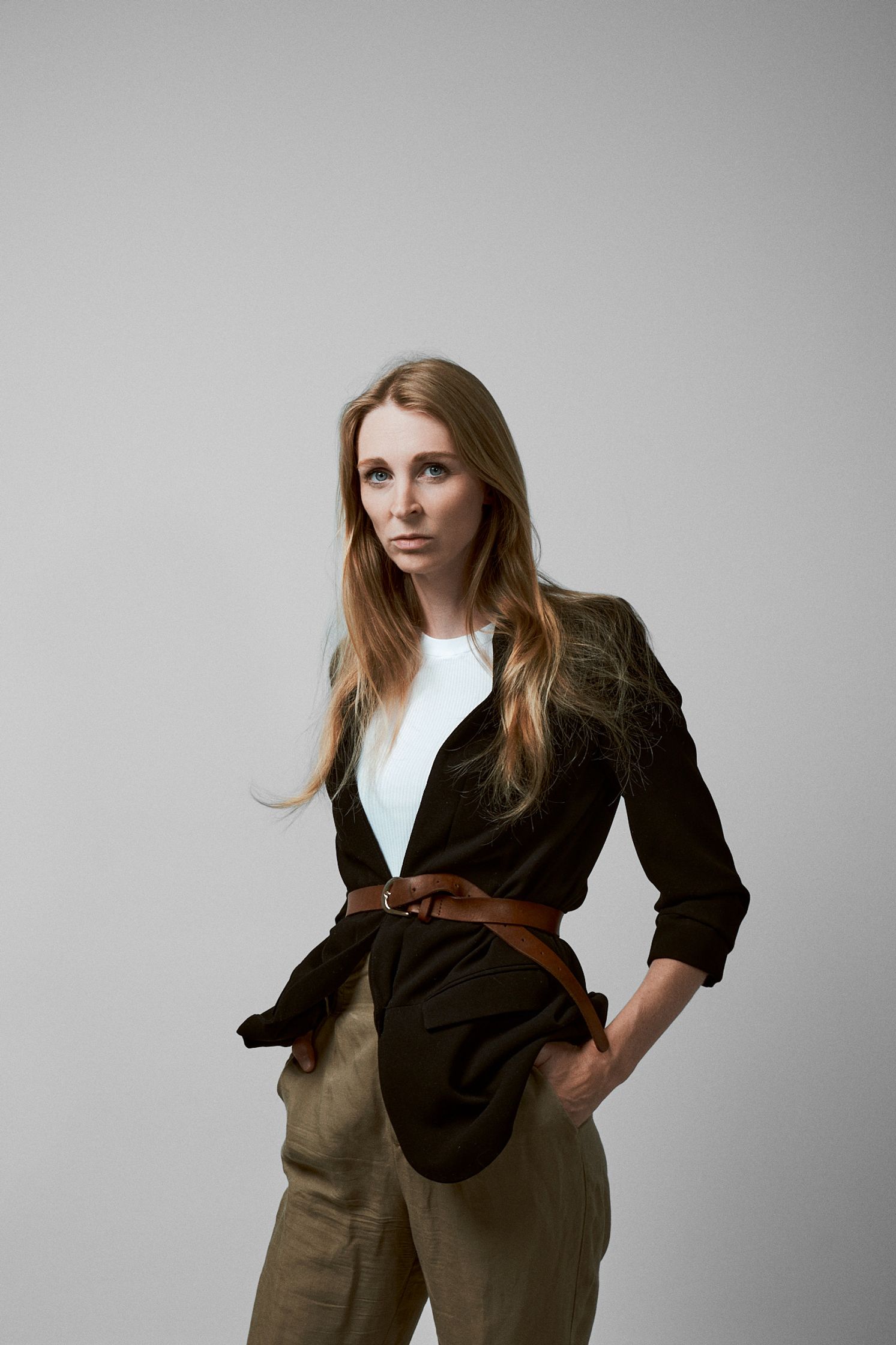
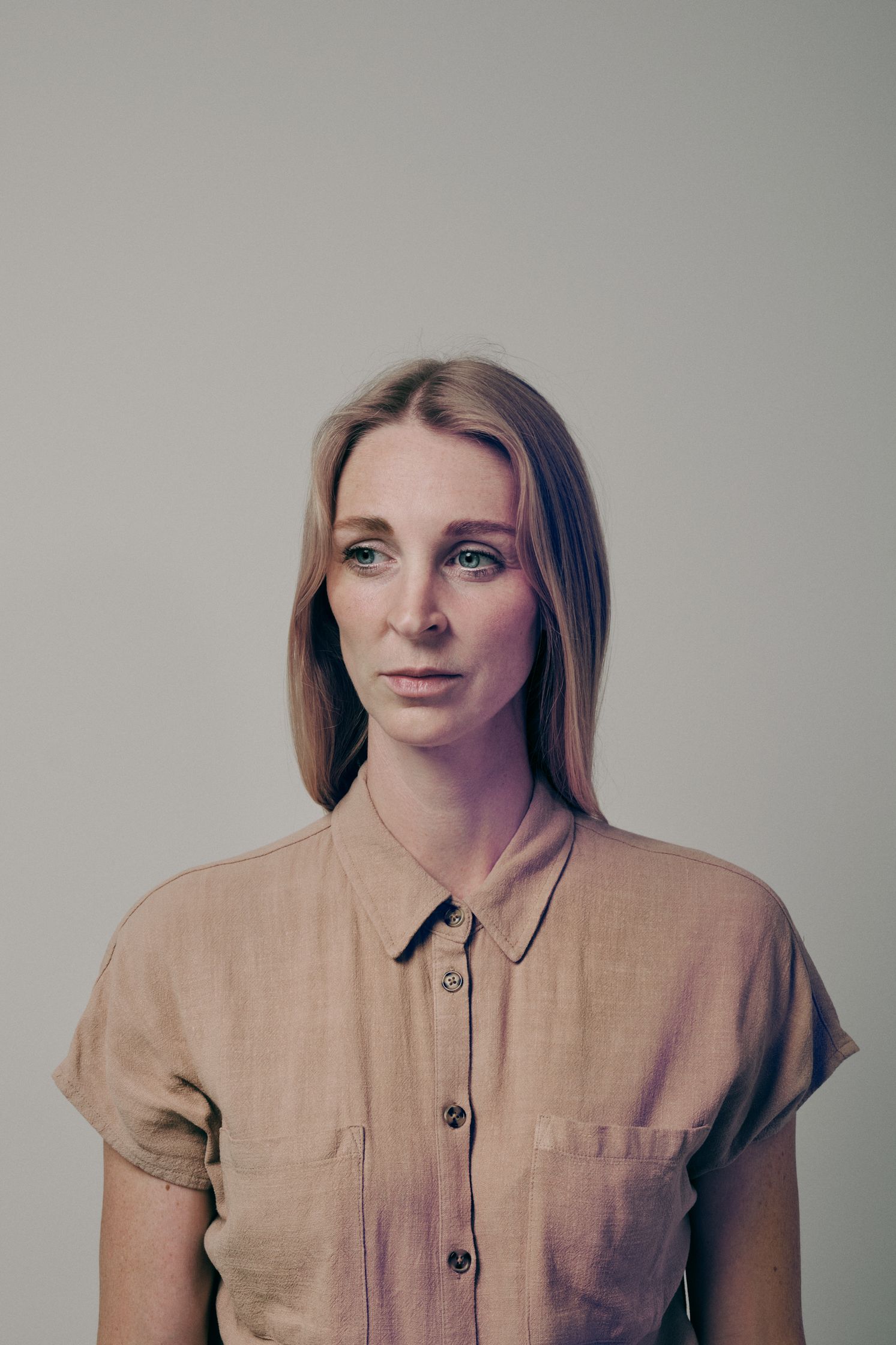
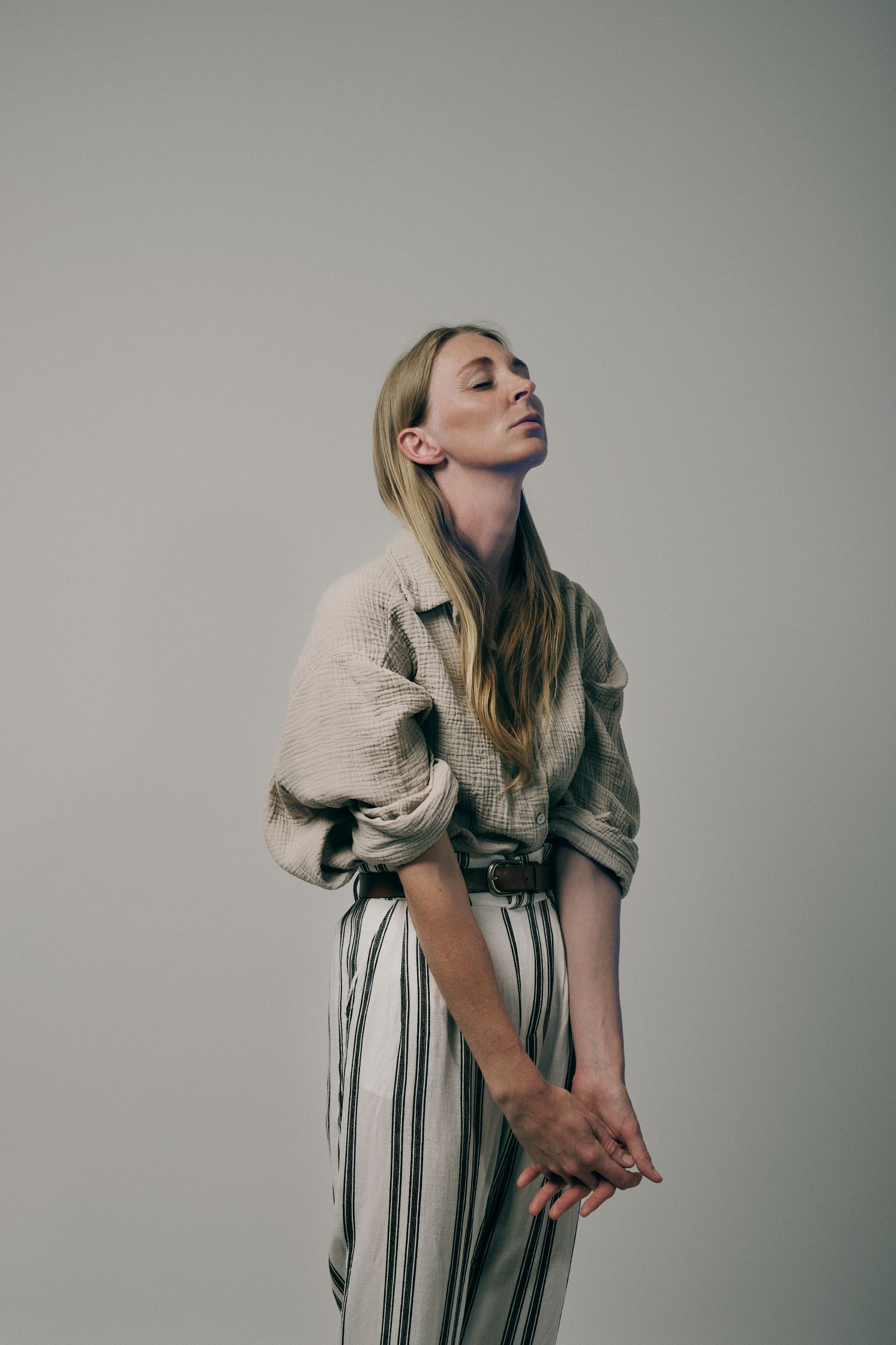
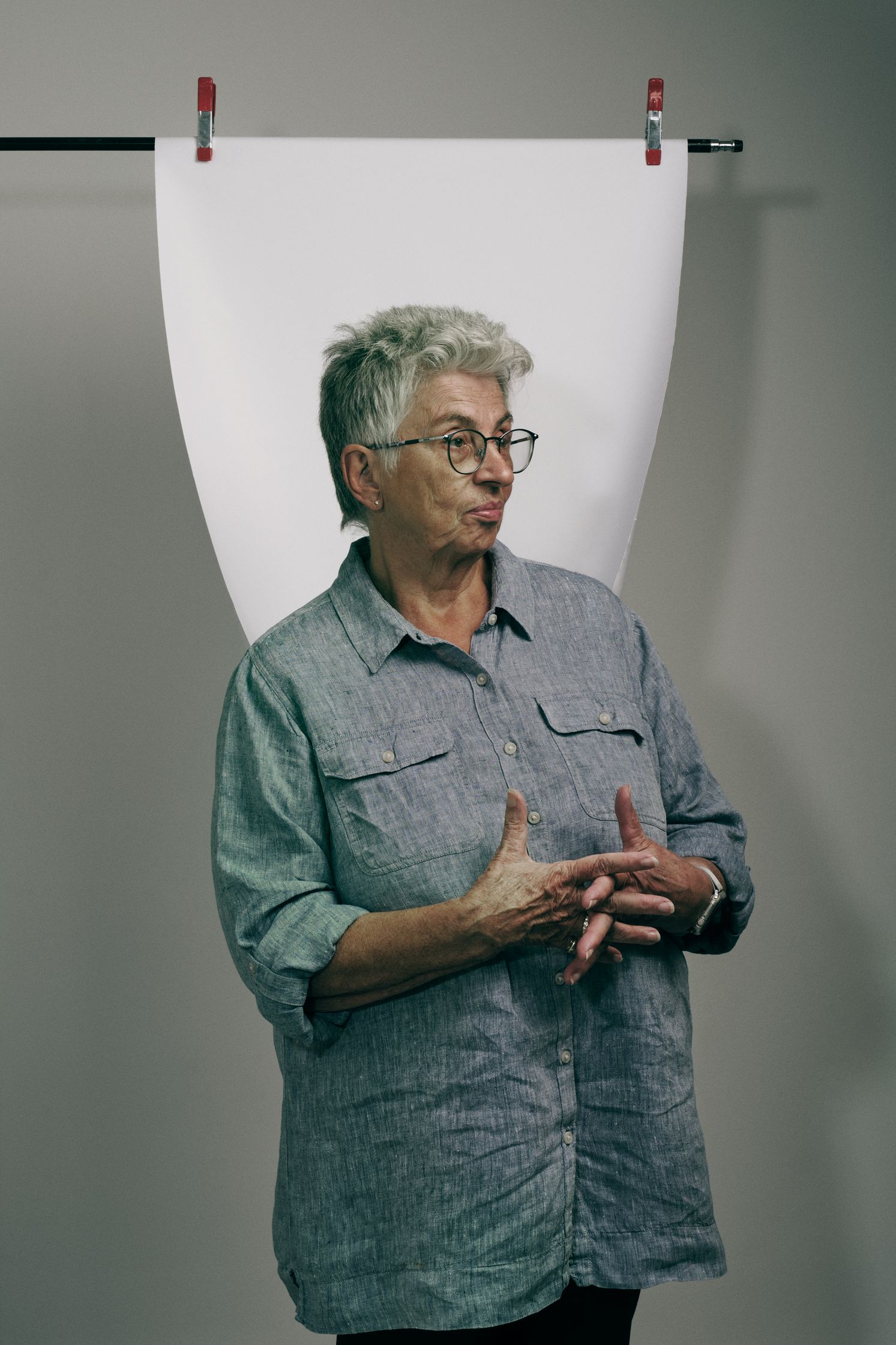
I photograph in a reduced space. A white wall, controlled light, very little else. Early on, I shot outdoors, surrounded by architecture and strangers and weather. But I noticed the images were telling too many stories at once. The environment spoke louder than the person. When I began working in my own studio, something shifted. For the first time, I could see only what I wanted to say. Reduction, for me, is not an aesthetic preference. It is clarity.
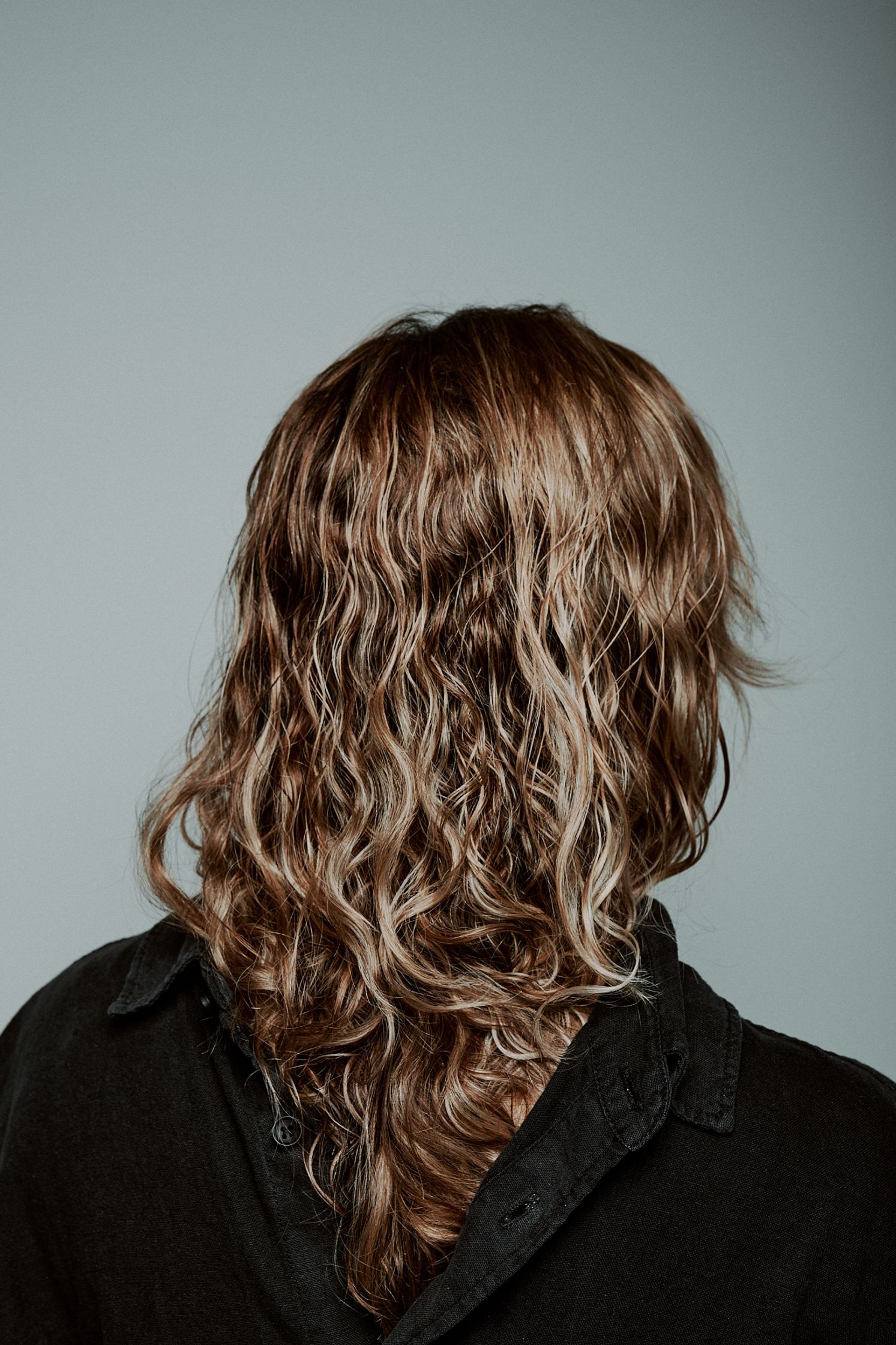
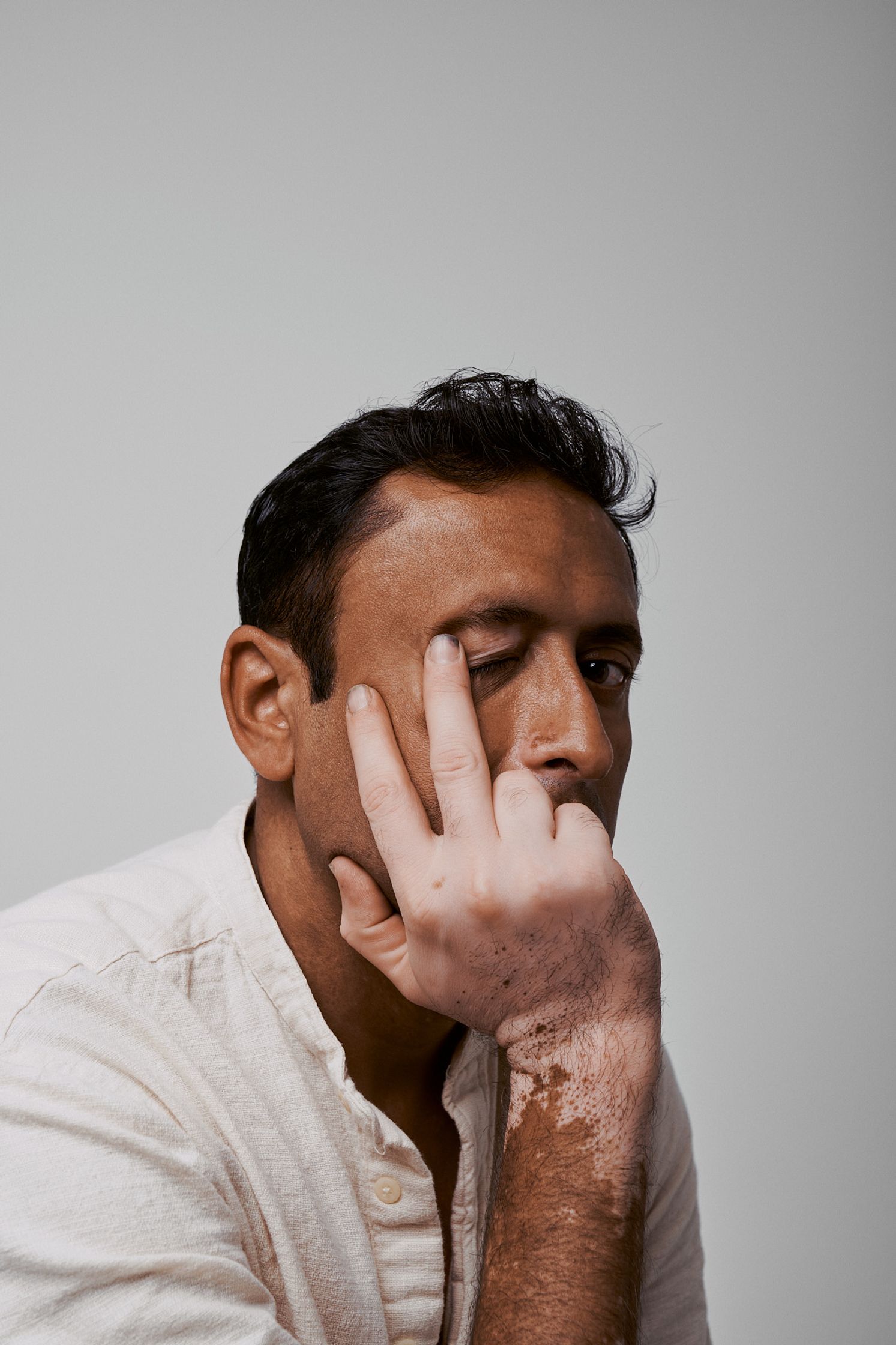
Light plays a central role. I think of it less as illumination and more as selection, a way of choosing what becomes visible and what recedes. You could flood a space, or you could decide which corners deserve attention and which are better left in shadow. That decision, what to reveal and what to withhold, is at the heart of how I build an image. I want to accentuate what interests me about a face, a posture, a presence. Not everything needs to be seen. Sometimes what you leave in darkness says more.
Color enters the process quietly. In post-production, I shift from the rational framework of the concept phase into something more intuitive, more emotional. I might create dozens of variations of a single portrait, testing different directions, not out of indecision, but out of curiosity. A trace of green in the shadows. A certain blue where the light falls off. These are small, deliberate gestures, meant to introduce a feeling that the image alone doesn't quite articulate. It is in this phase that the work moves from plan to instinct.
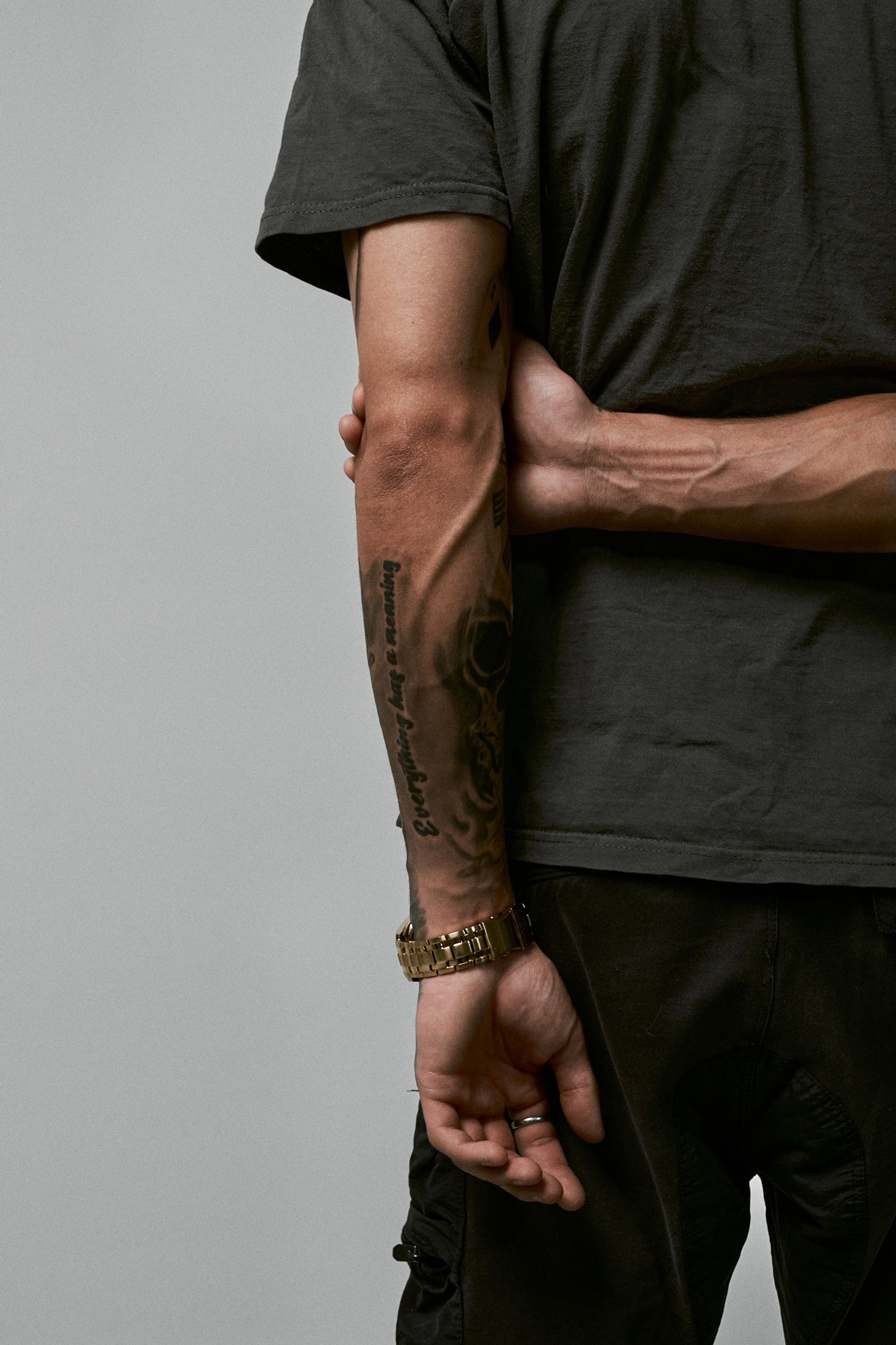
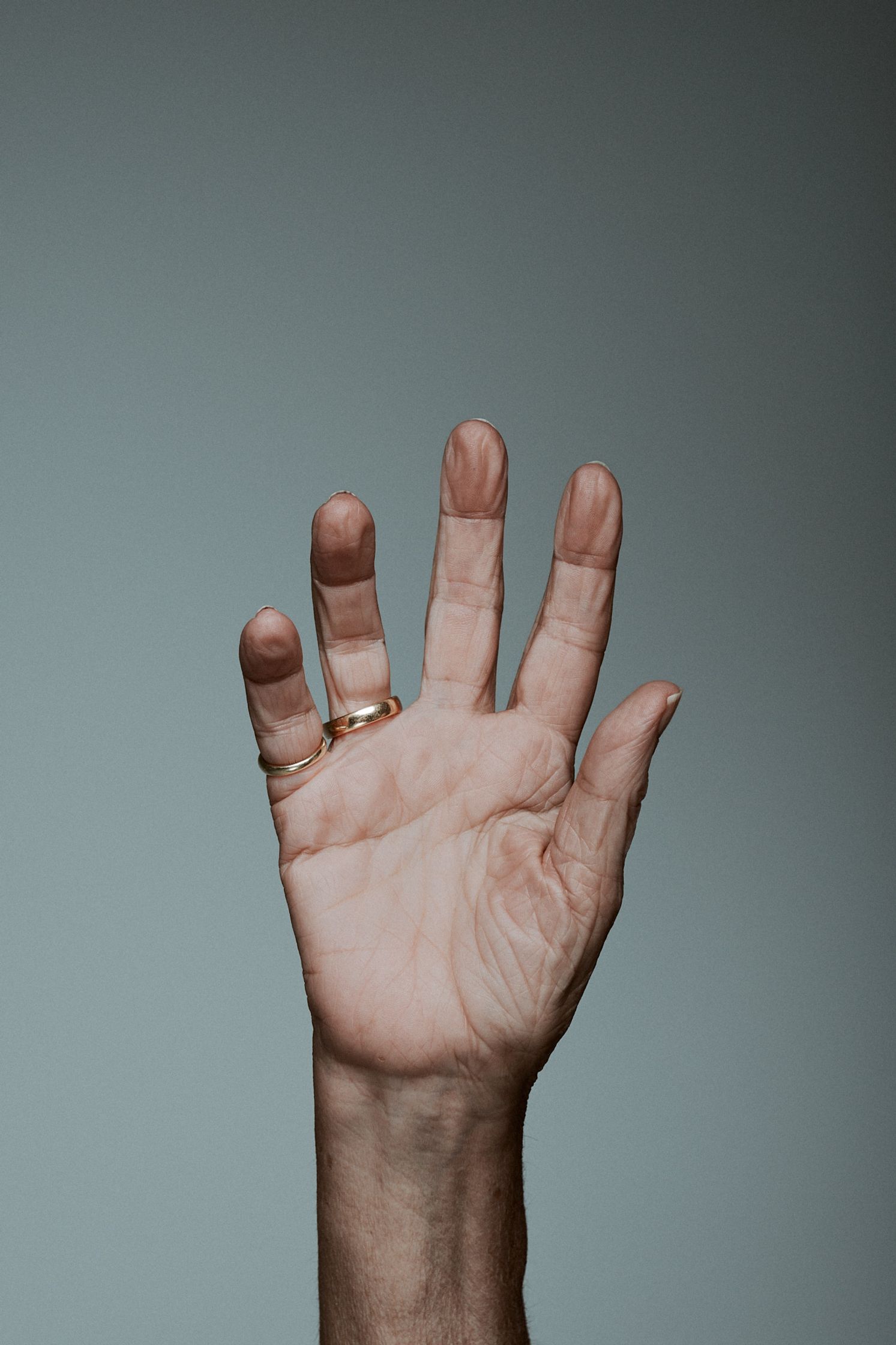
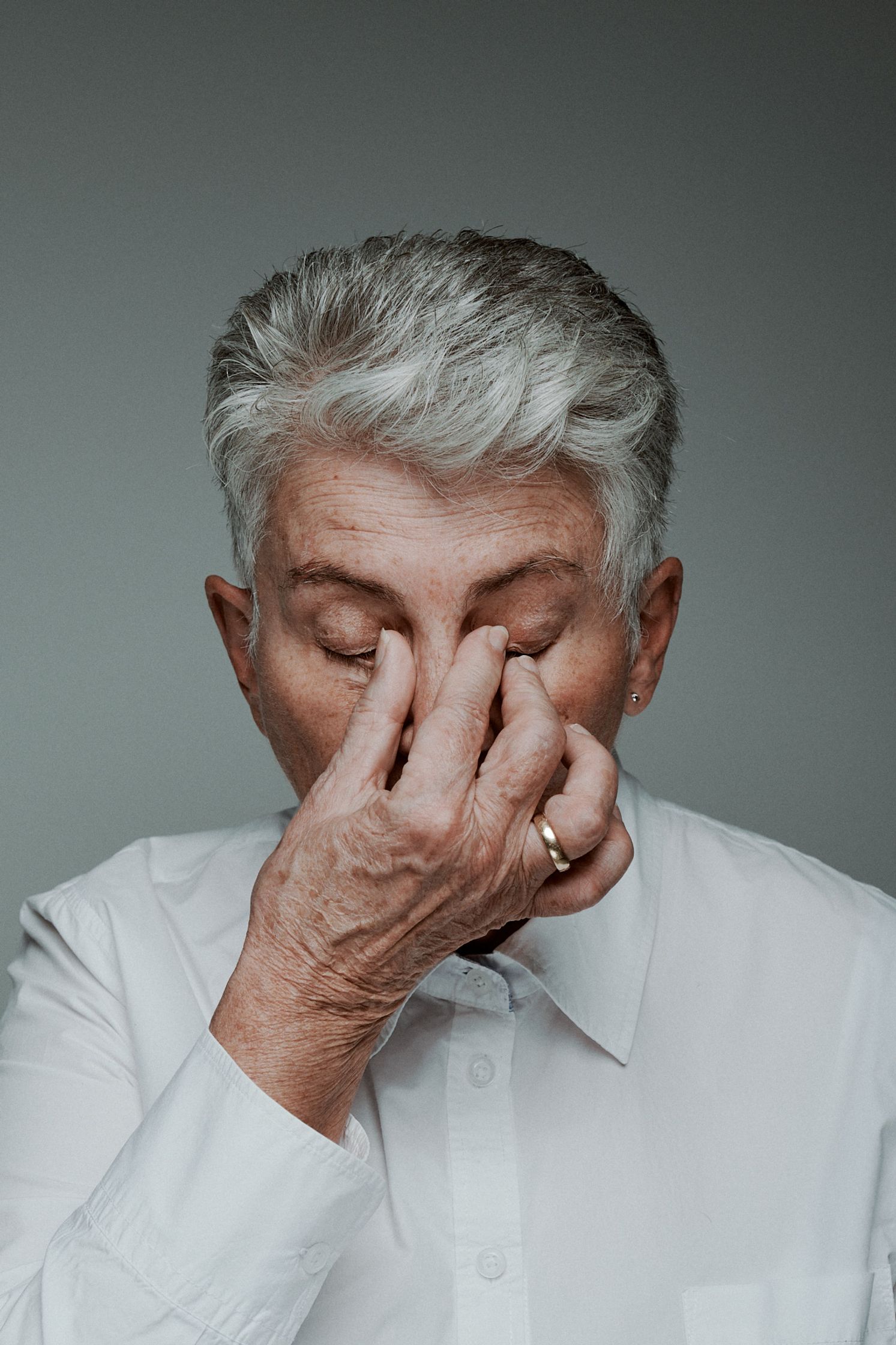
I should be transparent about a contradiction at the center of what I do. My work is staged, conceptual, planned. And yet what I pursue within that framework is honesty, a kind of rawness, a refusal to smooth things over. I want texture, contrast, the tactile quality of skin and imperfection. I want the image to feel like something you could reach into. This tension, between control and authenticity, is not something I try to resolve. It is the work.
I don't believe a portrait reveals the soul of the person sitting in front of the camera. I find that idea antiquated. What a portrait reveals is what the photographer brings into the room, and what happens when that collides with everything the sitter carries. Two sets of baggage meet, and from that encounter, something new is created. This is why the same person, photographed by ten different artists, will yield ten entirely different images. The portrait, at its best, says far more about the one who makes it than the one who sits for it.
Choosing who to photograph is the most intuitive part of my otherwise rational process. I see someone and something registers. Not a checklist, but a feeling: this person belongs in a certain image. The rational groundwork I do beforehand creates a framework within which intuition can operate freely. Structure permits spontaneity.
Before a shoot, I am quiet. Focused. I need the day before and the day after to be calm. The work demands immersion that doesn't switch on and off easily. What matters most to me is that the person in front of my camera feels comfortable. Beyond that, I hope to offer them a new perspective. And in rare cases, something larger emerges: a moment where both of us recognize that what we've created together exceeds what either could have made alone.
My influences are sedimentary. Foucault, Arendt, Benjamin. Ginsberg, Kerouac, Selby Jr. Yanagi's reverence for the ordinary. Yanagihara's devastating interiority. None of these enter my work as conscious citations. They settle into the way I see, the way I direct, the way I decide what belongs in a frame. I am drawn to work that is honest without being sentimental, direct without being blunt, and willing to sit with discomfort rather than resolve it.
My portraits don't offer resolution. They don't tell you what the subject is feeling. What I aim for is a kind of melancholic beauty: a state in which everything is possible and nothing is settled. Melancholy, to me, is the most complete human condition. It contains joy and grief and anger and stillness, all held in suspension, refusing to collapse into a single emotion. My work lives in that uncertainty, like a piece of music that refuses, right until the end, to land on the tonic.
I am a conceptual minimalist photographer based in Hadamar, Germany. My work balances restraint and expressive power, creating images that speak to the quiet yet profound moments of the human experience. Available for commissions worldwide.