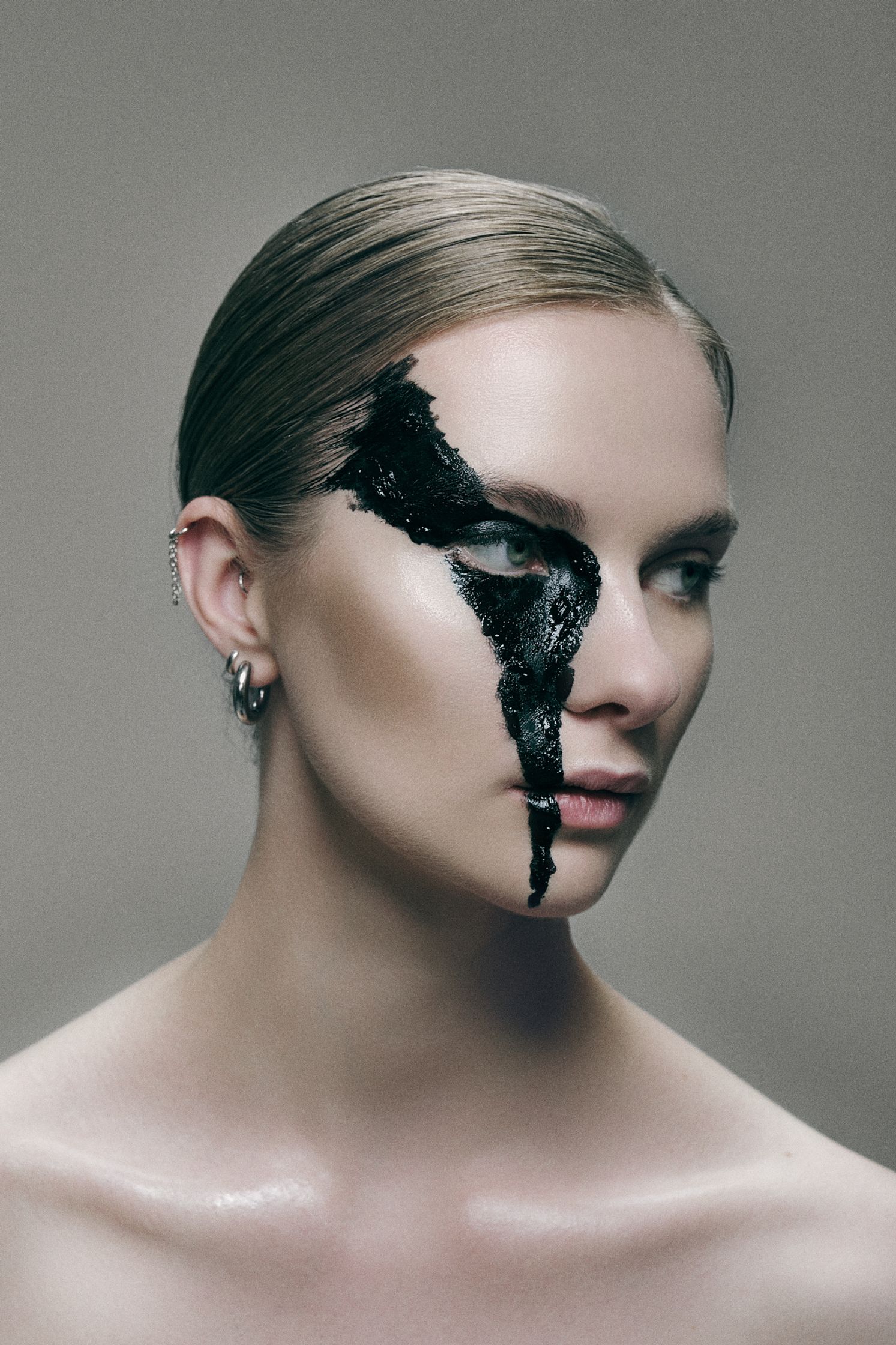
(Un)becoming.
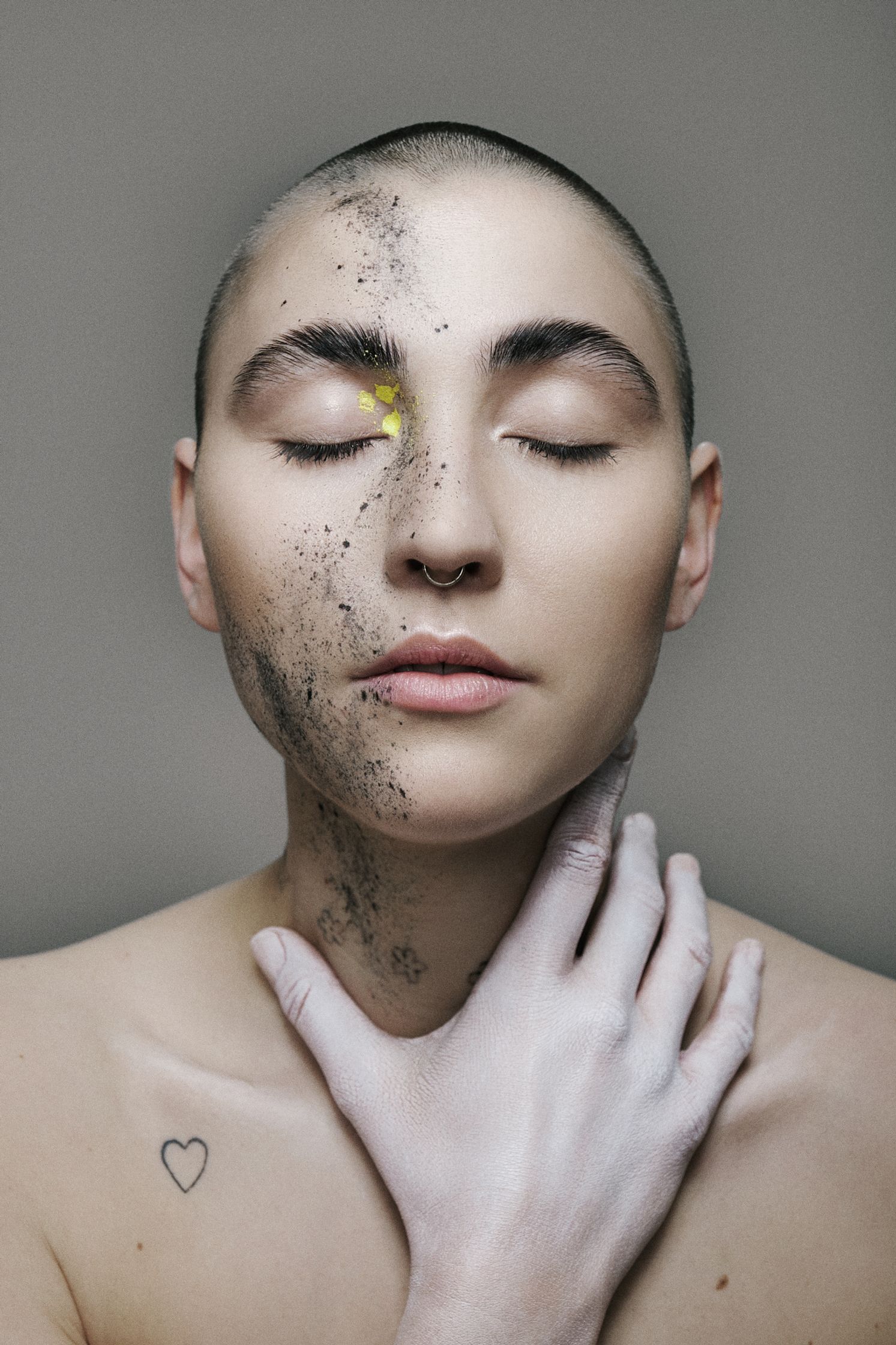
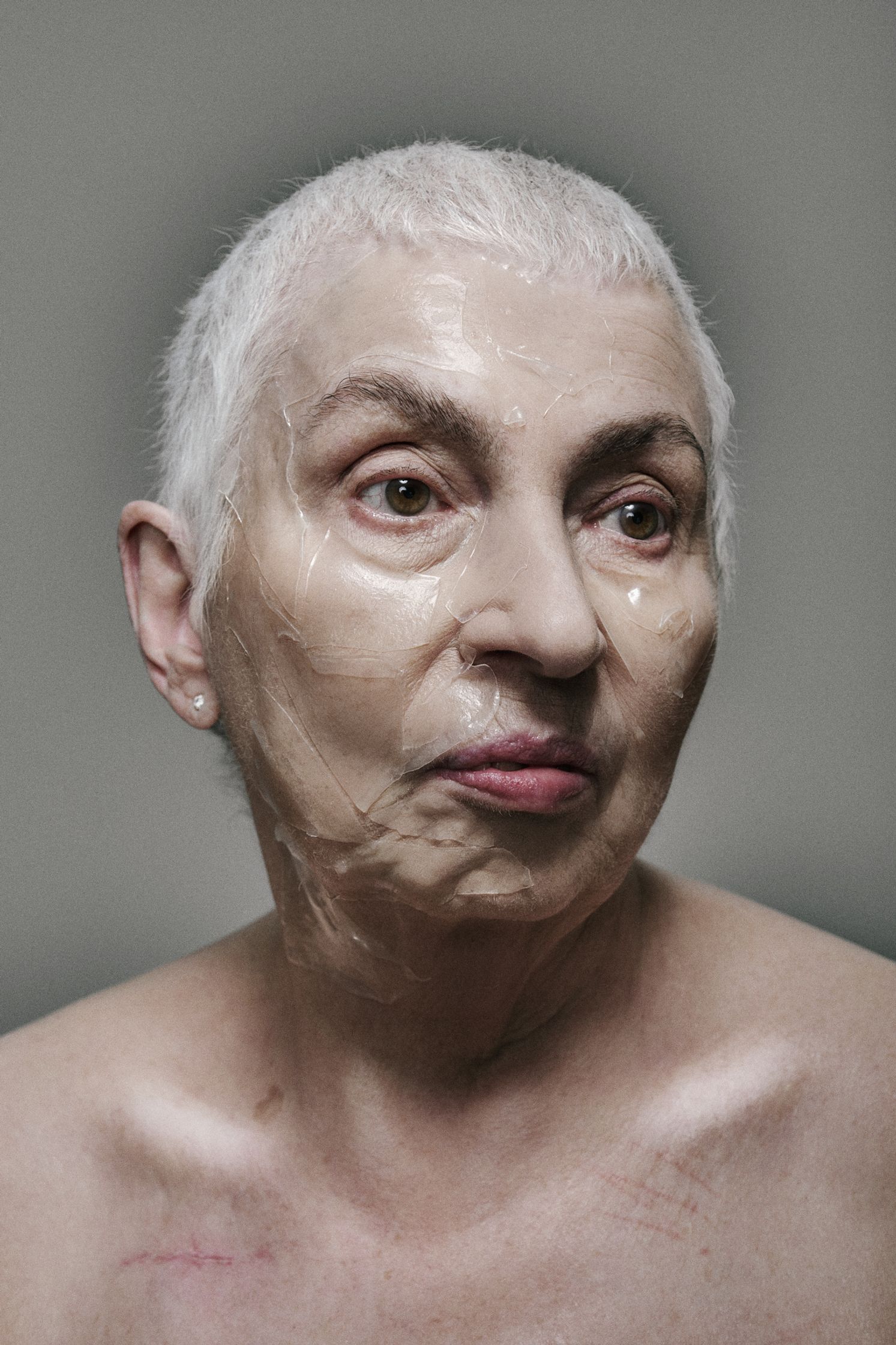
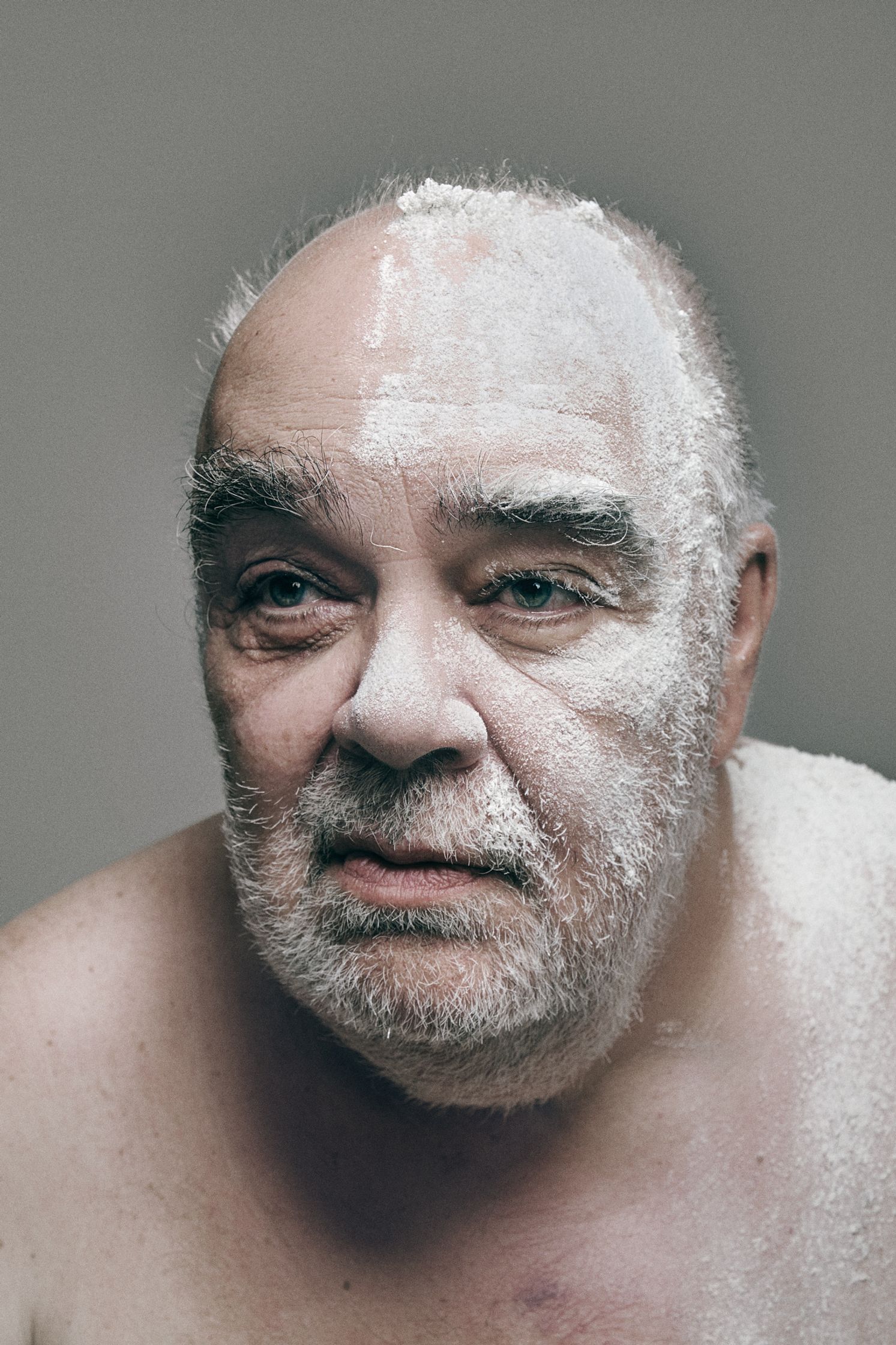
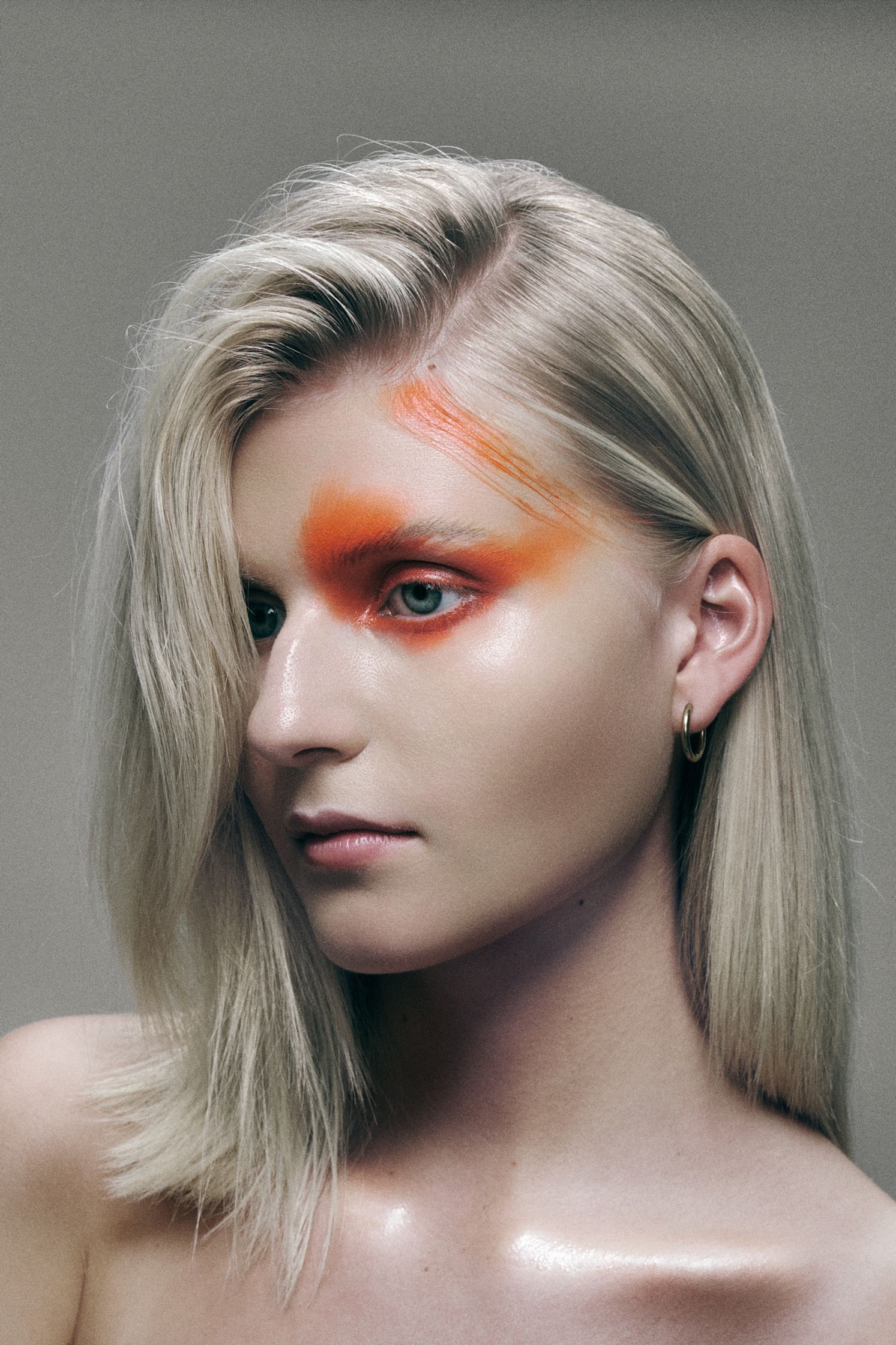
These portraits are not portraits of individuals. They are portraits of states. Of thresholds. Of moments suspended between what was and what might be. The people in these images are not asked to perform. They are asked to arrive, to bring whatever they carry into the room and then to be still. What happens after that is not documentation. It is translation.
The frame is stripped bare. No context, no environment, no narrative cues. What remains is the encounter itself: two people in a room, each carrying their own history, and the unpredictable thing that emerges between them. Everything in the image has been chosen. Every absence has been chosen, too.
Light functions here as a form of editing, bringing forward what the work needs and letting everything else fall away. A contour. A texture. The particular way a shadow settles into skin. What becomes visible is not the person as they are, but a version of them shaped by the demands of the series, and in that shaping lies an honesty: the admission that no portrait is neutral. Every portrait is a point of view.
Which leads to a contradiction at the centre of this series, one I don't try to resolve. The work is staged. It is conceptual, pre-planned, art-directed down to the makeup on the skin. And yet what I pursue within that framework is rawness, a feeling of directness, of something unfinished, something that hasn't been smoothed over for the sake of comfort. The precision is necessary. The images need to be visually still, almost too clean, so that the ambiguity beneath them has room to breathe. If the surface were chaotic, it would push the viewer toward a reading. The tension would collapse. The threshold would close.
And thresholds are what this work is about. The title, (Un)becoming., holds two movements in suspension. Becomingsuggests transformation, a forward motion toward something defined. But the parentheses destabilise it. They bracket the un as though it were optional, or fragile, or not yet decided. The period at the end closes the word, but the meaning stays open. It is a state, not a destination. A space between dissolution and emergence, between vulnerability and composure. The title does not resolve, and neither do the images.
This unresolved quality extends into the way colour enters the work. The models in this series become projections of emotional conditions, and colour and texture, applied sparingly, always in service of feeling rather than decoration, make visible what normally stays hidden. These traces of colour do not illustrate. They inhabit the image the way a mood inhabits a room, felt before it is named.
What I want from the viewer is not understanding. Understanding would mean I've delivered a message, and messages are closed systems. What I want is presence. A moment of pause. If someone stands in front of one of these images and doesn't quite know why they're still looking, that is the work doing what it was made to do. The portraits withhold deliberately. They offer no resolution, no emotional instruction, no clear narrative. They exist in a state of melancholy, not sadness, but that fuller, more complex condition in which every human emotion is held in suspension, unresolved, capable of tipping in any direction. Like a piece of music that refuses, right until the end, to land on the tonic.
I think of these images as vessels. Not containers of information, but containers of space. They hold back more than they reveal, and that withholding is the invitation. The portrait becomes a mirror, not a window. What the viewer sees in it is, ultimately, their own. I provide the silence. They write into it.